
Cargo Bridge:Connecting the Future of Logistics with Precision and Efficiency
admin 发布:2025-11-23 14:53 1556
In today's rapidly evolving global economy, the seamless flow of goods is crucial for businesses to thrive. One critical piece in this puzzle is the cargo bridge – a technological marvel that connects logistics networks across continents. This innovative solution not only enhances efficiency but also reduces costs and environmental impact. In this article, we'll explore how cargo bridges revolutionize supply chain management, their role in modern logistics, and why they are essential for future success.
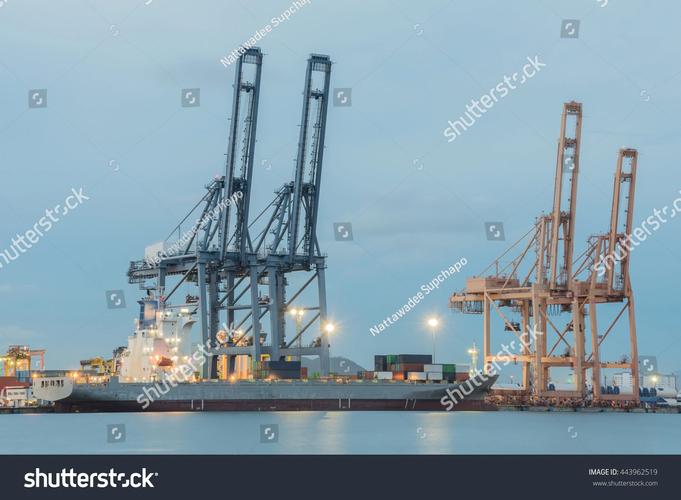
What is a Cargo Bridge?
A cargo bridge is an automated transportation system designed to move heavy goods quickly and efficiently between ports or warehouses. These systems utilize advanced robotics, sensors, and algorithms to navigate complex environments and deliver packages or containers from one location to another. The primary advantage of cargo bridges lies in their ability to handle large volumes of freight while maintaining high levels of precision and safety.
How Does a Cargo Bridge Work?
Cargo bridges operate using several key components:
- Robotics: Autonomous vehicles equipped with sophisticated navigation systems, cameras, and GPS technology allow them to travel through narrow spaces and avoid obstacles.
- Sensors: Advanced sensors monitor the environment around the vehicle, ensuring safe operation and precise delivery.
- Algorithms: Precise routing and scheduling algorithms optimize routes based on real-time data such as traffic conditions, weather forecasts, and load requirements.
- Communication Systems: Real-time communication ensures smooth coordination among various stakeholders involved in the transportation process.
Advantages of Using Cargo Bridges
Enhanced Efficiency: Cargo bridges significantly reduce transit times compared to traditional methods like trucks or ships. By eliminating unnecessary stops and optimizing routes, these systems ensure faster delivery times, which can translate into increased productivity and reduced shipping costs.
Safety and Security: With their advanced navigation capabilities, cargo bridges minimize human error and enhance overall security. Their ability to detect potential hazards and alert operators in real time minimizes risks associated with manual operations.
Environmental Benefits: By reducing fuel consumption and emissions, cargo bridges contribute to more sustainable logistics practices. They operate more efficiently than traditional modes of transport, resulting in lower carbon footprints and better environmental outcomes.
Applications in Modern Logistics
Cargo bridges have become increasingly prevalent in various sectors, including:
- Cross-border Shipping: Used extensively for connecting different countries' ports, enhancing connectivity between regions.
- Warehouse-to-Warehouse Transport: Ideal for handling bulky items, enabling rapid movement of goods within urban areas or industrial complexes.
- International Trade: Essential for moving goods across borders efficiently, particularly during peak seasons when demand spikes.
Challenges and Future Prospects
Despite their numerous benefits, cargo bridges face some challenges, including:
- High Initial Costs: Developing and implementing such systems requires significant investment upfront.
- Regulatory Hurdles: Ensuring compliance with international regulations and local laws remains a challenge.
- Technological Integration: Seamless integration with existing infrastructure and other logistical processes continues to be refined.
Looking ahead, advancements in AI, IoT, and automation will likely drive further improvements in cargo bridge technology. As these innovations mature, cargo bridges may become even more reliable, efficient, and environmentally friendly, setting new standards for logistics excellence.
Conclusion
Cargo bridges represent a paradigm shift in logistics, offering unparalleled advantages in terms of speed, safety, and sustainability. By leveraging cutting-edge technologies and smart solutions, these systems enable businesses to streamline their operations and stay competitive globally. As the world continues to evolve, cargo bridges will play a pivotal role in shaping the future of global trade, making it easier, safer, and greener for everyone involved.
In conclusion, if you're looking to enhance your logistics operations, consider exploring the possibilities offered by cargo bridges. Your business could benefit immensely from this state-of-the-art technology, driving efficiency, reducing costs, and contributing positively to our planet’s sustainability efforts.
版权说明:如非注明,本站文章均为 39手游库 原创,转载请注明出处和附带本文链接;
- 上一篇:拳皇百道,探索格斗游戏的魅力与深度
- 下一篇:如何在iPhone 3上畅玩游戏?
推荐应用








相关推荐
- 04-04美眉们的禁游戏大揭秘
- 04-04如何在洛克王国中获得翅膀?
- 04-04探秘神秘世界,洛克王国呱呱挖宝之旅
- 04-04洛克王国冰石龙,探索神秘世界的力量与魅力
- 04-04赛尔号动画片,经典童年记忆的回归
- 04-04探秘洛克王国世界,4399游戏的魅力所在
- 04-04植物大战僵尸小游戏中文版,探索策略与乐趣
- 04-04如何获取赛尔号电容球 详尽指南
- 04-04赛尔号皮皮,从萌宠到超级英雄的奇妙旅程
- 04-044399奥拉星小游戏,游戏的乐趣与魅力
- 排行榜







- 推荐资讯
-
- 03-26双人魂斗罗无敌版,策略与技巧并重的射击游戏体验
- 03-26探秘洛克王国技能石的秘密,提升实力的新选择
- 03-26水果忍者中文版攻略,解锁无限乐趣,轻松闯关!
- 11-21未来战士2中文变态版,探索超凡战斗体验
- 11-18洛克王国弹珠有什么用?揭秘游戏中的实用物品
- 11-11所有小游戏网站大全,探索最热门的游戏资源与平台
- 11-07赛尔号塞维尔,探索神奇世界,开启无限可能
- 11-05集英社新作洛克王国方方最新动态曝光!揭秘游戏中的角色魅力与故事发展